
Global Issue
Education
Lack of Education
Background
As stepping into the 21st century, solving the problem of lack of education is becoming a global priority. Back in the 20th century, with the burst of the two world wars and the cold war, education is being seen as an important element that will directly affect a country's destiny. According to the data provides by UNESCO, that globally, 775 million adults were illiterate. Women account for over 60% of world's illiterate rate.Education still remains an issue in many developing countries and third world countries.
Causes
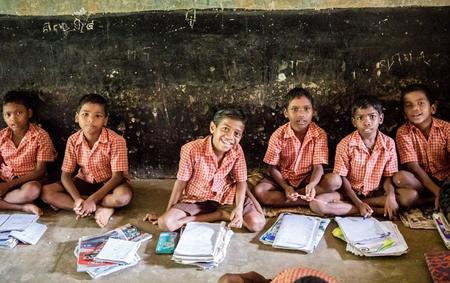
The causes of the lack of education can be varied: Poverty and gender inequality due to cultural reasons are the major reasons for low literacy rates. The barren natural environment can also leads to the low educational qualities.
Solution
There are non-governmental organizations that are addressing this issue; organizations like UNESCO, UNICEF, World Bank, She is the First, World Education Forum has been paid off great efforts on solving educational problems.
Regions
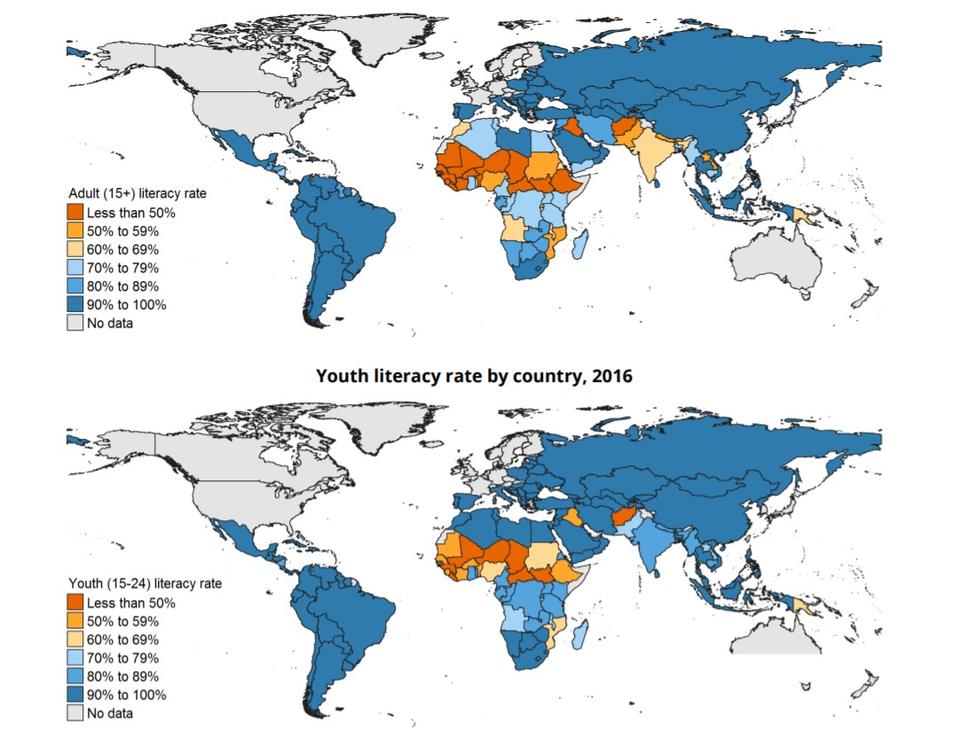
Sub-Saharan Africa
Haiti South SudanNiger Middle East
Syria South Asia
Afghanistan India/Pakistan
Cultural & Poverty
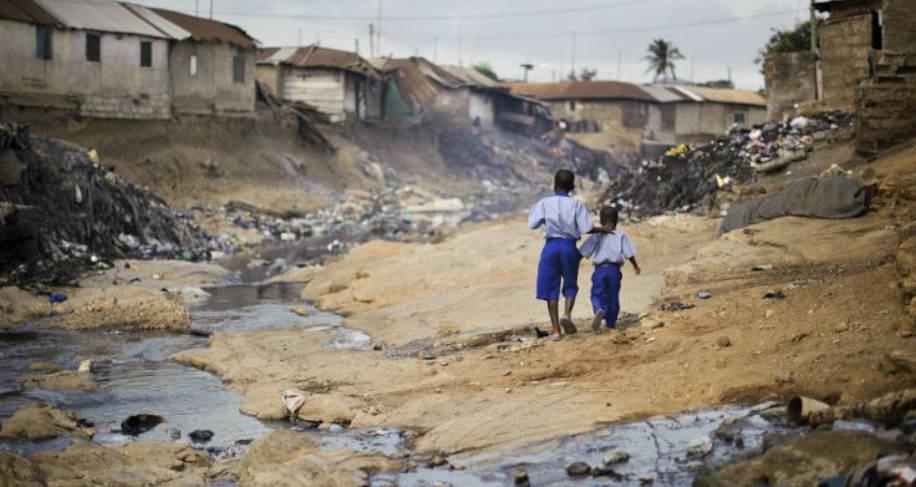
The gender inequalities that still remain in the world leads to the low educational rate for girls. Limited by their cultures and religions, girls' education is often being ignored in countries like Afghanistan , and child marriage is preventing girls from getting formal education, by forcing them to fit into the roles of mother and wife at the age of 12 or 13.
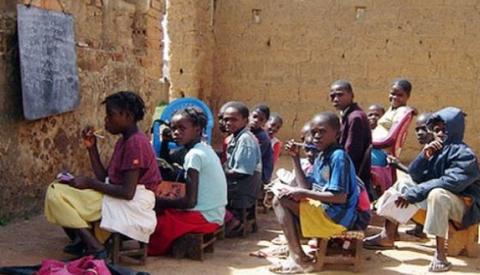
Poverty is another factor that causes the low literacy rates. Limited by the budgets, the government put little efforts on providing better facilities and schooling environments for children. Because of the low wages and inconvenient transportation, countries in Sub-Saharan Africa has low teacher quality. Particularly in Chad and Congo, children are being educated in multi-grade classes. Textbooks are also limited, which leads to the low quality of education. Poverty also causes child laboring, which prevents kids from getting the education.
Moreover, the continuous happening of armed-conflicts also causes lack of formal education. According to the UNICEF, that before the war, about 100% of Syrian population have been enrolled into schools and getting formal educations; while by 2014, after the war has started, the school enrollment has decreased to below 50%, and 94% of children are not receiving the formal educations.
Organizations
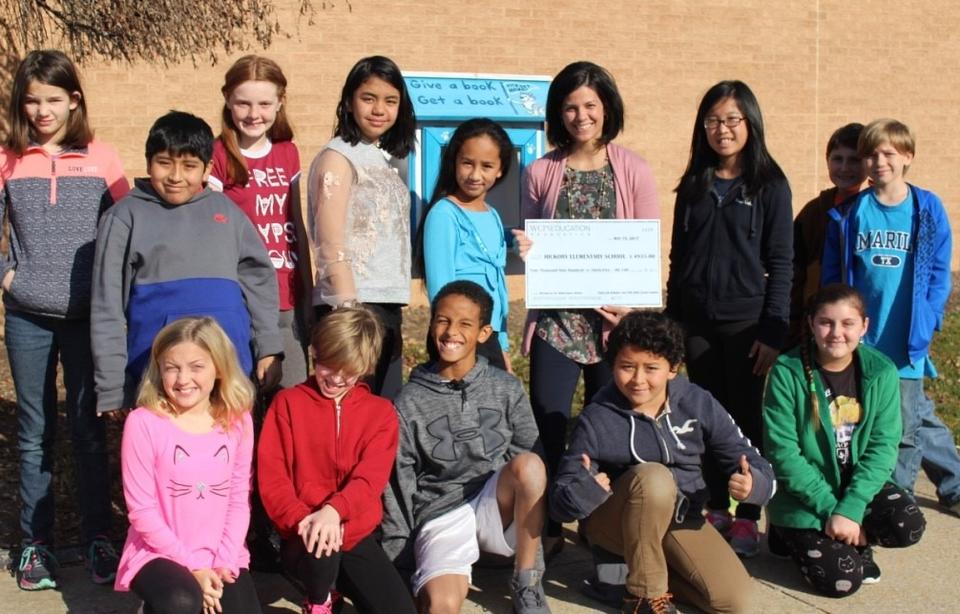
The United Nation has come up with a series of sustainable development goals, which are to "ensure inclusive and equitable quality education and promote lifelong learning opportunities for all" (SDG 4). According to the Millennium Development Goals launched in 2015, that "by 2015, children everywhere, boys and girls alike will be able to complete a full course of primary schooling". The World Education Forum involves representatives from both governments and other organizations, and are making their commitments on providing better education. She's the First is supporting females in Africa, Asia and Latin America for better formal educations, and reduce child marriages.